Outlets for Uplifting Green Spaces and Why They Matter
Austin, Texas sits at the intersection of ecological regions such as the Blackland Prairies and Edwards Plateau. As the capital city of Texas, it’s fitting that our environment encapsulates the different ecological categories and sub-types that characterize our state's greenery. Every region contains a different set of standards for cultivating plant life. As such, there are plentiful ways we can be involved in our communities' environmental upkeep, regardless of regional specificity.
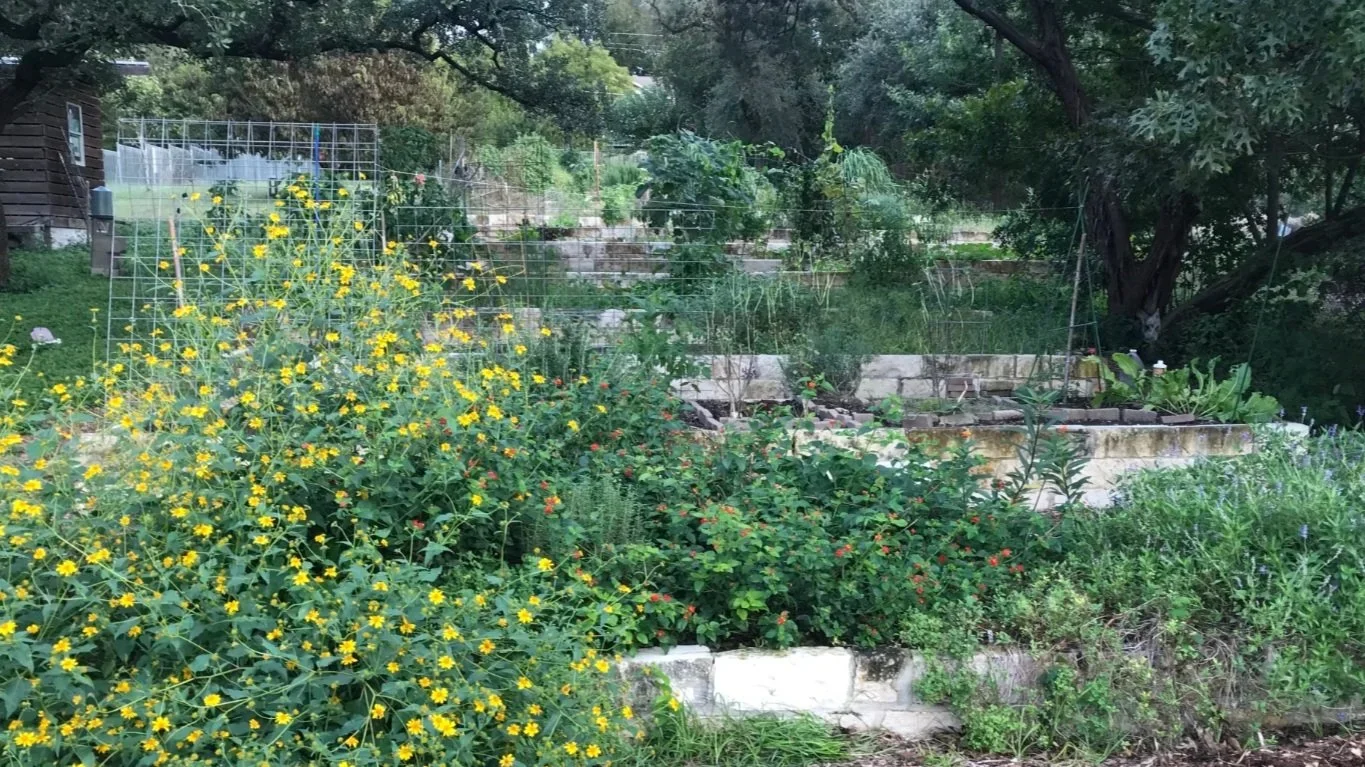
Photo Courtesy of Coalition of Austin Community Gardens
Location: South Austin Community Garden
Community Gardens
Are you trying to start a fall garden? Or maybe you're looking to connect with fellow Austinites? Either way, community gardens are a great place to look. These spaces are sprinkled throughout the city, as they’re supported by the City of Austin and nonprofits like Fruitful Commons and the Austin Parks Foundations. In a constantly growing metropolis, it’s important that we have designated areas to actively learn and participate in horticulture. Austin Organic Gardeners provides these educational spaces by hosting volunteer opportunities to maintain teaching plots at the Zilker Botanical Gardens. The organization holds free, public meetings once a month, detailing a variety of teaching instructions. The Coalition of Austin Community Gardens also partnered with the City of Austin to provide a comprehensive list of gardening resources in the city. These gardens are built around the community's support for one another and yield a low-cost way to help the environment flourish.
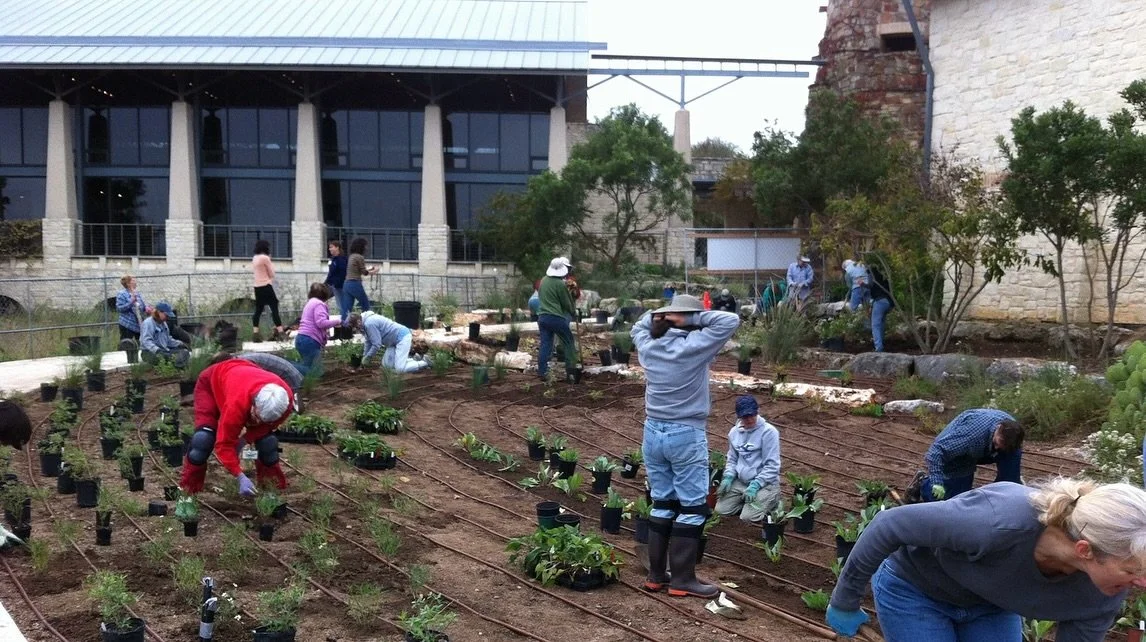
Photo Courtesy of Lady Bird Johnson Wildflower Center
Location: The start of a pollinator garden at the Wildflower Center in 2013
Get Involved
Volunteering is another great way to cultivate plant life. Not only can you assist leaders in environmental-science related fields, but you also contribute directly to a cause. For example, Lady Bird Johnson Wildlife Center relies on volunteers to assist researchers, upkeep the gardens, and inform visitors. There’s something empowering about sharing knowledge or working from a place of innate interest. The people who act as part of these organizations volunteer out of care and passion. Donating part of your day can make a long-term impact on the natural composition of Central Texas. Look towards places like Keep Austin Beautiful who helps beautify green spaces, TreeFolks who has planted around 2.8 million trees in Central Texas, or Environment Texas who focuses on providing clean water and energy. Although these organizations focus on different aspects of environmental upkeep, they share the commonality of using volunteer efforts to support Austin.
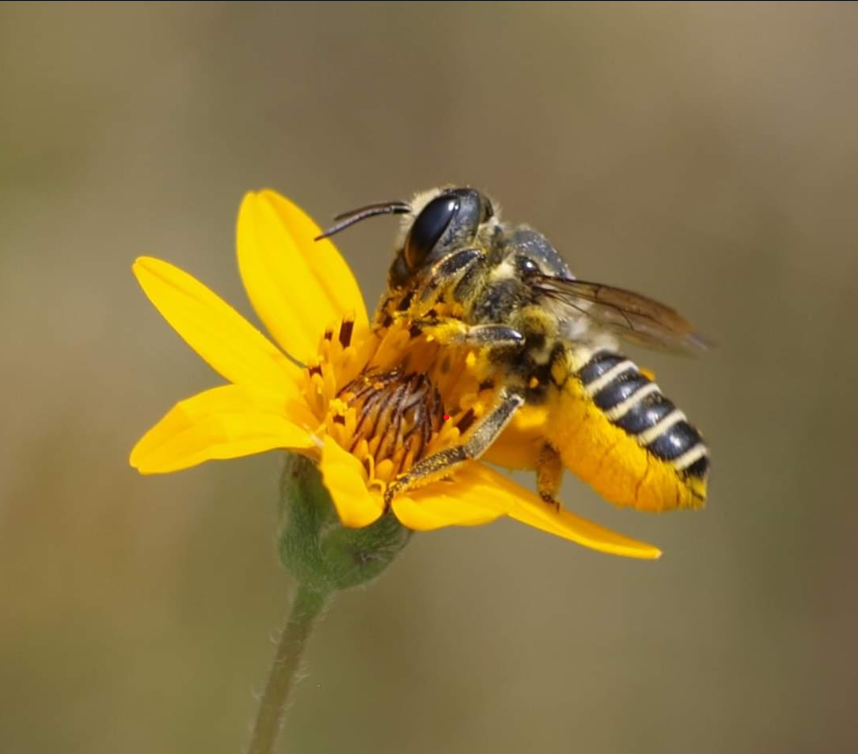
Photo Courtesy of Keep Austin Beautiful
Supporting Native Bees and Plants
Bees stand out as one of the most well known examples of pollinators, but supporting them is not as clear-cut as we may think. The most well known instance of a North American pollinator is the invasive European Honey Bee (Apis Mellifera), which can cause harm to native species despite its importance to agriculturally-grown crops. In a 2022 report, the Parks and Recreation department detailed how European Honey Bee hives cost Texas approximately 17.2 billion native bees every year! Arriving early in the 1600s, the European Honey Bee is now widespread across the continent. These honey bees endanger native pollinators, which are also the most effective at pollinating Texas plant life. In fact, some native plants are only able to be pollinated by native pollinators. Most species of bee in Central Texas are solitary, meaning that they do not produce honey or serve a hive. Solitary bees are also able to operate in harsher conditions and yield heightened levels of pollen transfer amongst flowers. To promote these species, Austin Parks and Recreation suggests reducing pesticides, removing exotic plants, and planting native flowers.
Why It Matters
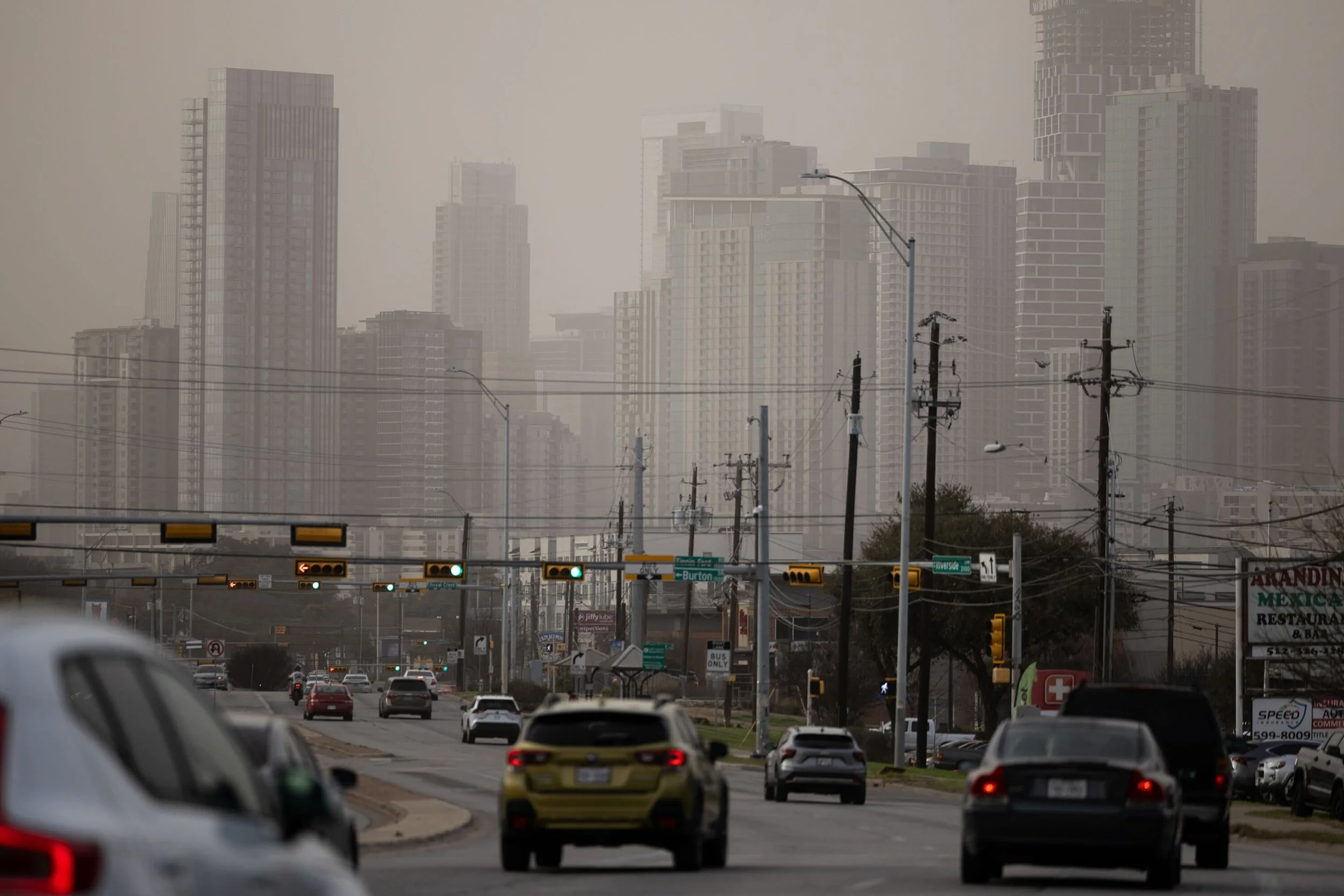
Photo Courtesy of Michael Minasi / KUT News
Location: Austin after receiving an F Rating in Air Quality
According to the City of Austin’s 2025 State of Our Environment report, over 1,500 acres of grassland savannah have been restored and greenhouse gas emissions have greatly fallen since peaking in 2011. These efforts are more impressive considering the consistent growth of the city in the past fifteen years. In 2010, Austin’s population stood at 790,390 people. As of 2025, the city now houses around one million people. Despite increasing population and housing needs, sustainability efforts have remained successful. That’s not to say, however, that every goal has been reached. In 2025, Austin received an F rating for air quality from the American Lung Association. While notable progress has been made towards better air quality, the city still has ground to make up.
With the current state of our city in mind, we need to remain constant in our push towards environmental efforts. The cities’ population is projected to continue increasing over the coming years, making it imperative that new members of our community are uplifting the spaces we inhabit. The individuals, organizations and larger community of Central Texas are paving a sense of optimism for their cities’ green futures, but continued involvement is how we realize it.